
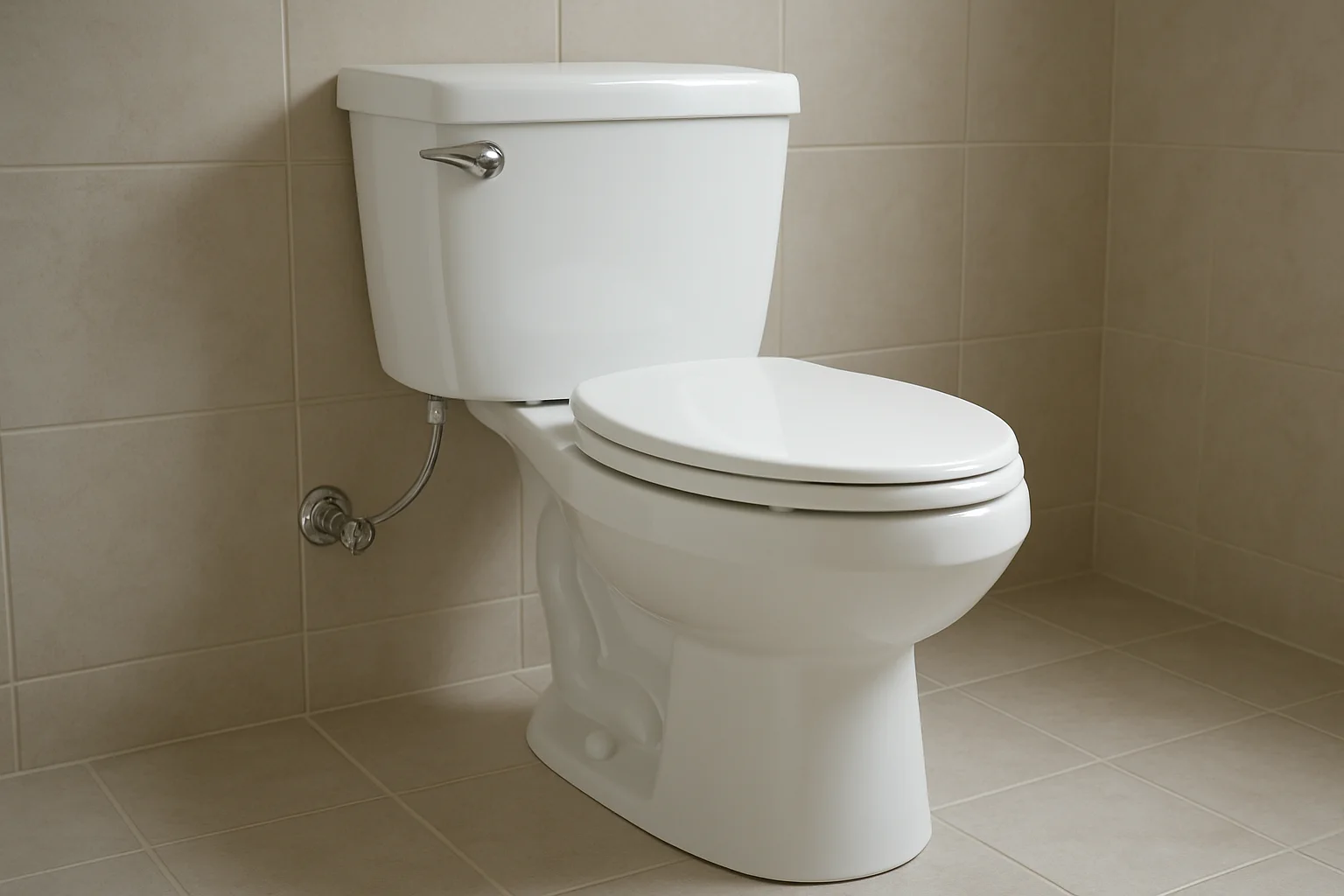
Why toilet problems deserve quick attention
A toilet issue can feel minor at first, especially if the bowl still flushes or the leak seems small. In real homes, though, toilet problems often waste water, create odors, damage flooring, and lead to repeated frustration. In Bay, Walton, and Okaloosa counties, where humidity is high and homes see a mix of coastal wear and older plumbing materials, a small toilet problem can become a bigger household issue faster than many people expect. That is why it helps to look at toilet concerns early, before they affect the subfloor, nearby walls, or the rest of your bathroom.
Homeowners often begin with a simple question: should this toilet be repaired, or is replacement the better path? The answer depends on the source of the problem, the age and condition of the fixture, the cost and practicality of repairs, and whether the toilet is meeting your household needs. A professional plumber can assess the bowl, tank, fill valve, flapper, wax seal, flange, supply line, shutoff valve, and even signs of hidden leaks that are not obvious from a quick visual check. That broader view is important because a toilet can appear functional while still failing in ways that matter to long-term reliability and water use.
How toilets commonly fail in Northwest Florida homes
Toilets usually fail in predictable ways. In many homes, the most common problems include constant running, weak or incomplete flushing, tank leaks, wobbling, loose hardware, and water around the base. Some issues are mechanical and inexpensive to address, while others point to deeper wear or installation problems. In coastal and humid climates, parts can corrode, seals can age sooner than expected, and older fixtures may show wear that makes repeated troubleshooting less effective. Even a toilet that looks fine on the outside can hide internal components that are no longer working efficiently.
Another important factor is how the toilet is used and maintained. Mineral buildup, repeated clogging, harsh cleaning habits, and old plumbing connections can shorten the useful life of parts. If a toilet has needed several service calls for different problems over a short period, that can be a sign the fixture is approaching the end of its practical lifespan. A professional assessment helps determine whether the issue is isolated or part of a larger pattern. That distinction matters because homeowners should not have to keep paying attention to the same toilet every few months when a more lasting solution may exist.
Repairable problems and when a fix may make sense
Many toilet problems are repairable, especially when the porcelain fixture itself is sound and the issue is limited to replaceable parts. Common repairable concerns include worn flappers, faulty fill valves, handle problems, loose tank hardware, a deteriorated supply line, or a worn wax seal. In some cases, the repair is straightforward once the exact source of the problem is identified. When a toilet is otherwise in good condition, repairing it can be the most practical option because it restores function without changing the bathroom layout or replacing a fixture that still has usable life.
That said, repair is most sensible when the toilet has one clear issue and the rest of the unit is stable. If the bowl is not cracked, the tank is intact, and there are no signs of repeated leaks or movement at the base, targeted repair often makes sense. A plumber can confirm whether parts are available and whether the toilet will likely perform well after the fix. Homeowners should keep in mind that the goal is not simply to make the toilet work today, but to choose a solution that is likely to remain dependable. Professional evaluation helps separate a normal maintenance repair from a sign that the toilet is no longer worth continued attention.
Signs replacement may be the smarter choice
Replacement becomes more attractive when the toilet has multiple problems, repeated leaks, visible cracking, persistent instability, or poor performance that does not improve with basic service. A cracked bowl or tank is usually a strong replacement indicator, because porcelain damage can worsen and create sudden leaks. A toilet that rocks or shifts even after tightening may have flange or floor issues, and if those problems are tied to structural wear or repeated water damage, replacement may be the more durable answer. Toilets that constantly clog or flush weakly may also be poor candidates for another repair if their design or condition no longer suits the household.
Another reason to consider replacement is age combined with inefficiency. Older toilets may use more water per flush than modern options and may not perform as well as newer models designed for better flushing with less water. That can matter in a home where utility awareness and dependable performance both matter. A plumber can help determine whether the existing toilet is simply needing a part or whether it is reaching the point where replacement offers better long-term value. Importantly, replacement is not only about age. A newer toilet with repeated issues may still need to be replaced if it has manufacturing damage, installation problems, or a pattern of recurring failures that make repairs less practical.
Water waste, running toilets, and hidden cost concerns
A running toilet is one of the clearest examples of why a small plumbing issue should not be ignored. Even when the noise seems minor, a toilet that constantly refills can waste a large amount of water over time. In a household with several bathrooms, a single fixture that runs on and off all day can become a noticeable nuisance and an avoidable expense. The problem may stem from a flapper that no longer seals, a fill valve that does not shut off properly, or a chain and handle arrangement that prevents the tank from resetting correctly.
Professional assessment matters because a running toilet is not always caused by the most obvious part. Water level settings, internal wear, bowl refill behavior, and slow leaks can all contribute. A plumber can test the toilet as a system rather than guessing at a single component. If the toilet is older and the repair would only address one symptom while leaving other inefficiencies in place, replacement may be more sensible. For homeowners in Bay, Walton, and Okaloosa counties, where water conservation and cost control are both common concerns, choosing the right long-term solution can reduce repeated service needs and prevent avoidable waste.
Leak detection around the toilet base and tank
Leaks around a toilet are not always dramatic. Sometimes the first sign is a damp floor, a musty smell, discolored caulk, or a little moisture appearing after flushing. Water can escape from the tank bolts, the supply connection, the base seal, or a hidden crack. A leak at the base is especially important because it can affect the flooring underneath the toilet and may go unnoticed if the area is cleaned regularly. Over time, trapped moisture can damage the subfloor or create conditions that are expensive to address later.
A plumber does more than look for water on the surface. Professional assessment includes checking the connection points, observing flush behavior, looking for movement at the base, and determining whether the leak is coming from the tank, the bowl, the supply line, or the floor connection. This matters because the right repair depends on the source. A simple gasket issue is not the same as a flange problem or a toilet that needs to be reset. If there is evidence of repeated leakage or floor damage, replacement may be the better choice because it allows the plumber to address both the fixture and any installation concerns at the same time.
Poor flushing, clogs, and performance problems
A toilet that does not flush well is more than an annoyance. It may require multiple flushes, leave waste behind, or clog more often than it should. Sometimes the issue is caused by a partial blockage, low tank water, worn internal parts, or mineral buildup. In other situations, the toilet design itself may not suit the household’s needs. Older toilets, particularly those that have never been updated, can struggle compared with newer models that are designed to flush more efficiently. If flushing problems happen often, the toilet may not be operating as intended, even if no obvious leak is present.
Professional diagnosis is important here because flushing problems can be caused by several different systems working together. A plumber can check whether the tank is filling properly, whether the flush mechanism is lifting enough water into the bowl, and whether the fixture has developed wear that affects performance. Homeowners sometimes assume they need a new toilet immediately, but not every weak flush means replacement is necessary. On the other hand, if the toilet has chronic clogging, poor rinse action, and repeated service issues, replacement can be a better investment than continuing to chase small fixes. The goal is to restore dependable use without overcorrecting or underestimating the problem.
Age, condition, and how long a toilet should last
There is no single expiration date for a toilet, but age still matters. A well-maintained toilet may last a long time, yet internal parts wear out and fixtures can accumulate enough small issues to make continued repair less appealing. Homeowners often focus on whether the porcelain still looks intact, but the more important question is how the toilet performs, how often it has needed repair, and whether the installation remains solid. A toilet that has survived years of use may still be the right fixture to keep, or it may have reached the point where it makes more sense to move on.
Condition should be judged as a whole. Signs like a stable base, no cracks, a tank that holds water properly, and a few replaceable parts in need of service often suggest repair is reasonable. But if the toilet has multiple aging components, visible wear, and a history of recurring issues, replacement can provide a cleaner reset. A plumber can compare the condition of the fixture with the likely effort needed to keep it reliable. That kind of evaluation is especially useful for homeowners planning around busy family schedules, seasonal guests, or rental property needs where dependable bathroom performance is essential.
What a professional toilet assessment includes
A proper toilet assessment is more than a quick glance and a parts swap. The plumber looks at the fixture as a system: the bowl, tank, supply line, shutoff valve, flush mechanism, seals, flange, mounting stability, and any signs of water damage. The technician also checks for performance issues, such as slow refill, incomplete flushes, unusual noises, and hidden leaks. If the toilet rocks, the floor may need attention. If there is moisture at the base, the cause may be inside the toilet, at the connection points, or below the fixture. The purpose is to identify the root problem before recommending a repair or replacement.
That professional process helps homeowners avoid guesswork. Instead of buying parts that may not solve the issue, or replacing a toilet too soon, you get a practical recommendation based on the condition of the fixture and the surrounding plumbing. In some cases, the answer will be a targeted repair with a modest parts replacement. In others, the assessment will show that replacement is the more efficient option because the toilet has multiple issues or related installation concerns. Either way, the homeowner benefits from a clearer plan and a better understanding of what is happening behind the scenes.
Replacement considerations beyond the toilet itself
Replacing a toilet is not just about choosing a new model. The surrounding plumbing and floor conditions matter too. A toilet that has been leaking may have affected the flange, the subfloor, or the surface around the base. If the old fixture has been unstable, the new toilet should be set on a sound foundation so the same issue does not return. The shutoff valve and supply line also deserve attention because replacing the toilet without evaluating nearby components can leave older weak points in place. A professional installer can identify whether the surrounding area is ready for a new fixture or needs additional service first.
Homeowners should also think about fit and performance. Different bathrooms have different spacing, drain alignments, and use patterns. A replacement should suit the room and the household rather than simply matching what was there before. A plumber can help evaluate standard options and explain how the replacement may affect flushing performance, comfort, maintenance, and long-term reliability. In older homes especially, these details matter because the right installation can resolve persistent issues that were never really about the toilet itself. A thoughtful replacement plan is part fixture choice and part plumbing assessment.
When repair and replacement both require speed
Some toilet problems should be addressed quickly even if the final decision between repair and replacement is still being considered. Active leaks, visible water around the base, an overflowing toilet, repeated clogs that affect daily use, and a toilet that cannot reliably shut off all deserve prompt attention. The reason is simple: delay can increase water waste, create sanitation concerns, and turn a relatively manageable issue into a more complicated one. If the toilet is leaking onto a floor with any vulnerability, timely service becomes even more important.
A professional plumber can often stabilize the situation first, then help the homeowner decide what comes next. That may mean temporarily restoring function with a repair, or it may mean moving directly to replacement if the fixture is clearly past its best years. The key is to avoid assuming that a toilet problem can wait indefinitely. In humid Northwest Florida conditions, moisture-related damage can become more significant than it seems at first. Getting a professional evaluation sooner helps protect the home and gives the homeowner a realistic plan instead of a short-term guess.
How Northwest Florida homeowners can prepare for service
Before a plumber arrives, it helps to note what the toilet has been doing. Homeowners can remember when the problem started, whether it happens all the time or only occasionally, and whether there has been any water on the floor, gurgling, weak flushing, or unusual tank behavior. If the toilet has already had repairs in the past, that history is useful too. These details help the plumber narrow down the cause more efficiently. It is also helpful to keep the area around the toilet accessible so the fixture and nearby plumbing can be inspected without delay.
Preparation is not about doing risky work yourself. It is about making the professional visit more effective. If a homeowner has noticed multiple bathrooms acting up, or if there are signs of broader plumbing concerns, mentioning those observations can help the plumber consider whether the issue is localized or part of a larger system problem. In Bay, Walton, and Okaloosa counties, where homes can vary widely in age and construction style, that context matters. A good assessment starts with good information, and homeowners play an important role by describing what they have seen rather than trying to diagnose or dismantle the fixture on their own.
Choosing the right long-term solution for your home
The repair-versus-replacement decision is ultimately about practicality. Repair is often right when the toilet has one clear problem, the fixture remains structurally sound, and the rest of the system is in good shape. Replacement becomes more attractive when the toilet has recurring issues, visible damage, poor performance, or related plumbing concerns that make continued repairs less worthwhile. Neither choice is automatically better in every case. The best decision is the one that solves the problem fully, fits the home, and avoids unnecessary repeat service.
For Northwest Florida homeowners, it is worth choosing a plumbing partner that understands how to evaluate the fixture, the floor, and the nearby connections together. 850 Plumber, part of veteran-owned A Superior Mechanical, serves Bay, Walton, and Okaloosa counties and can help homeowners determine whether toilet repair or replacement is the more sensible next step. If you are dealing with a toilet that runs, leaks, clogs, rocks, or simply no longer performs the way it should, a professional assessment can save time and prevent guesswork. For service, call 850-258-3225. The right recommendation should be based on the condition of the toilet and the needs of your home, not on a one-size-fits-all answer.
Explore related plumbing care
- Toilet Repair and Replacement in Bay, Walton and Okaloosa Counties, FL | 850 Plumber
- Leak Detection & Slab Leak Repair in Bay, Walton & Okaloosa Counties, FL | 850 Plumber
- Pipe Replacement in Santa Rosa Beach, FL
- Plumbing Fixture Replacement in Freeport, FL
- Plumbing Repair in Bay, Walton and Okaloosa Counties, FL | 850 Plumber
- Plumbing Replacement in Bay, Walton & Okaloosa Counties, FL
Continue reading
- Water Leak Repairs in Northwest Florida: How Homeowners Can Decide Between Repair and Replacement
- Water Heater Installation in Freeport, FL: How Northwest Florida Homeowners Decide Between Repair and Replacement
- Sewer Camera Inspection in Northwest Florida: How Homeowners Decide Between Repair and Replacement
Talk with the 850 Plumber team for help with your home or business.