
Why water filtration decisions matter in Northwest Florida
Water quality concerns can look different from one home to the next in Bay, Walton, and Okaloosa counties. Some homeowners are dealing with taste or odor changes, while others notice sediment, reduced water pressure, or a system that no longer seems to protect appliances and fixtures the way it once did. Because local water sources, plumbing age, and household water use can all influence performance, a filtration issue is rarely something to judge from one symptom alone. The right response depends on the system type, how long it has been in service, and whether the problem is limited to one component or reflects broader wear.
For many homeowners, the biggest question is whether the existing filtration equipment can be repaired or whether replacement makes more sense. That decision is not just about immediate inconvenience. It can affect water pressure, maintenance frequency, household comfort, and the long-term reliability of your plumbing system. A professional assessment helps separate minor service needs from signs that the system is reaching the end of its practical life. That matters especially in coastal and inland Northwest Florida homes, where humidity, mineral content, and seasonal demand can influence how filtration equipment performs over time.
What home water filtration systems are designed to do
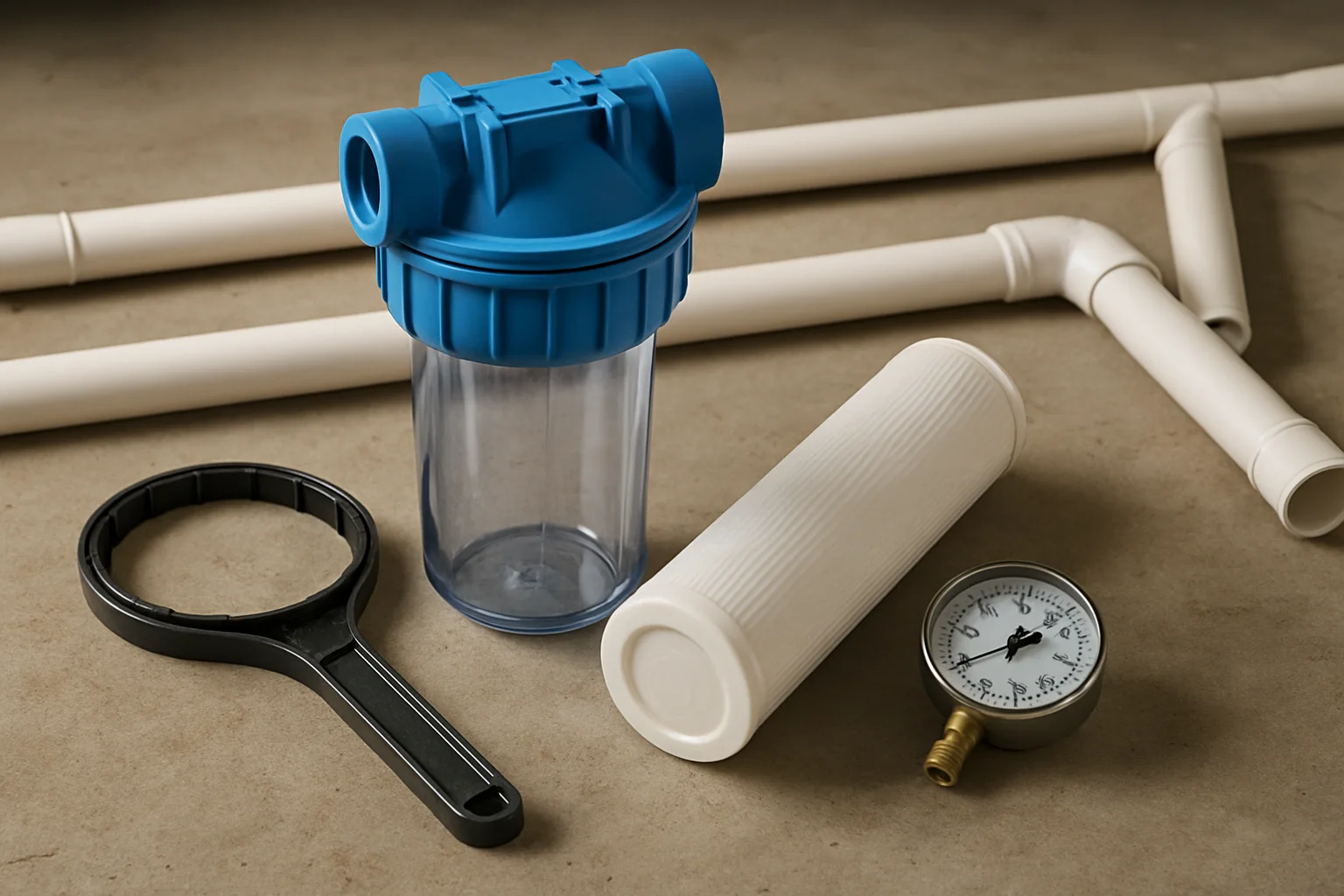
Water filtration systems are installed to improve water quality for a home’s plumbing and fixtures. Depending on the design, they may reduce sediment, help address taste or odor concerns, or support better performance from appliances that use water. Some systems serve the entire house, while others are tied to a single tap or appliance. A homeowner may not always notice the system working when everything is operating properly, but subtle changes can appear when filters become saturated or components wear out. Understanding the purpose of the system is the first step in deciding what kind of service it needs.
It is also important to recognize that not every water concern points to the same solution. A cartridge filter nearing the end of its service life is a different issue from a pressure drop caused by a clogged valve, a damaged housing, or a larger plumbing problem. A professional can evaluate whether the filtration unit itself is struggling or whether another part of the plumbing system is creating the symptoms. That distinction matters because replacing a unit that only needs service can be unnecessary, while repeatedly repairing a system that is no longer suitable can become frustrating and inefficient.
Common signs a filtration system may need attention
Homeowners often first notice a filtration issue through changes in water appearance, taste, smell, or flow. Water that seems cloudy, has more visible particles, or develops a noticeable odor can point to a filter that is no longer doing its job effectively. Reduced water pressure at filtered fixtures or throughout the home may also suggest a blockage inside the system. In some cases, the change is gradual enough that residents adapt to it without realizing the system has been declining for some time.
Other signs are less obvious. A system that cycles oddly, leaks at a housing or connection point, or requires more frequent maintenance than it once did may be telling you that components are wearing out. If the home has had plumbing changes, a new well-related concern, or a shift in water usage, the filtration system may no longer be a good match for current conditions. A professional assessment can determine whether the issue is isolated and repairable or whether the system has reached a point where replacement is the more practical choice.
How age and service history influence repair versus replacement
The age of a filtration system is one of the most useful clues in deciding whether to repair or replace it. Even a well-maintained unit has a useful service window, and parts eventually wear from pressure changes, mineral buildup, and normal use. A system that is still relatively new and otherwise compatible with the home’s water conditions may be a good candidate for repair. On the other hand, an older system that has already required repeated service may not be worth keeping if the underlying wear is widespread.
Service history also matters. If the same issue returns again and again, a temporary fix may not solve the root cause. Replacing a recurring small component can make sense in some cases, but when multiple parts begin to fail, the total cost and inconvenience of repeated repairs can outweigh the benefit of keeping the unit. A professional can review the system’s condition, note whether parts are still available, and explain whether the equipment is functioning as designed or merely being held together by routine service. That perspective helps homeowners make a clear, informed choice rather than reacting to one isolated failure.
Water pressure problems and what they can mean
Changes in water pressure are often one of the first complaints connected to filtration equipment. A filter that is becoming clogged can restrict flow, making showers, sinks, and appliances feel sluggish. Sometimes the pressure issue is obvious only at the filtered location, but in other cases the whole house seems affected. The challenge is that reduced pressure can come from several sources, including plumbing buildup, valve issues, or water supply changes, not just the filtration unit itself.
That is why a professional assessment is so valuable. A technician can isolate whether the filtration system is the true cause, whether a component can be cleaned or replaced, or whether the unit is undersized for the home’s current demand. A homeowner might assume that a pressure issue means the whole system must be replaced, but that is not always true. Likewise, trying to keep a system in service after it has become a restriction can lead to dissatisfaction and strain on other plumbing fixtures. The best path depends on a careful evaluation of flow, component condition, and the home’s water use patterns.
When a repair is usually the better option
Repair can be the right choice when the filtration system is fundamentally sound and the problem is limited to one part or one type of maintenance issue. Examples may include a worn seal, a cracked housing that can be addressed with a compatible component, a clogged filter element, or a valve that is no longer operating correctly. If the system is otherwise well matched to the home and has not shown broader signs of deterioration, repairing it can restore performance without forcing a full replacement. This is especially true when the system is relatively modern and parts are available.
Repair is also often worth considering when the issue is tied to routine service rather than mechanical decline. Many filtration problems develop because a component is overdue for replacement or cleaning. In those cases, replacing a filter or servicing a connection may return the system to proper operation. Still, the key is that the repair should be based on a professional diagnosis, not guesswork. A qualified assessment can show whether the problem is isolated or whether there are warning signs that the system will continue to need attention. That helps homeowners avoid both unnecessary replacement and repeated short-term fixes that never truly solve the problem.
When replacement is the more practical choice
Replacement becomes more attractive when the filtration system has multiple issues, has exceeded its practical service life, or no longer suits the home’s water conditions. If the system leaks from more than one area, struggles to maintain adequate flow, or fails to improve water quality despite repeated service, replacing it may be more reliable than continuing to patch it. A unit that is outdated or difficult to service can also become frustrating, especially when parts are harder to source or maintenance is no longer straightforward.
Another reason to consider replacement is changed household needs. A growing family, a new appliance setup, or a shift in water quality concerns can make the original system less effective than it once was. In some homes, the filtration equipment may have been appropriate when installed but no longer matches current use patterns. Replacement can provide a better fit, improved serviceability, and a cleaner maintenance routine. A professional can help compare the cost and value of continued repairs with the benefits of installing a new system that better aligns with the home’s current water demands and plumbing layout.
How Northwest Florida conditions can affect filtration performance
Homes in Bay, Walton, and Okaloosa counties can face environmental conditions that influence plumbing and filtration systems. Humidity, coastal air, and changing seasonal water demand can all affect how components age. Even inside the home, a filtration system may be exposed to damp spaces, temperature swings, or sediment loads that contribute to wear. These conditions do not automatically mean a system will fail early, but they do make regular inspection and timely service especially important. A system that seems fine on the surface may still be losing efficiency over time.
Seasonal water use patterns also matter. During times when a home is occupied more often, pressure demand can increase and hidden issues may become more noticeable. A system that handles light use well might struggle when more fixtures are active at once. Likewise, a property that sits vacant for periods may experience different maintenance needs than a year-round residence. Professional evaluation takes these local realities into account. Rather than applying a one-size-fits-all approach, a technician can assess whether the system is performing well under actual conditions in the home and whether repair or replacement makes the most sense for the local environment.
What a professional assessment should include
A useful assessment begins with a clear inspection of the system’s condition, including visible wear, leaks, pressure behavior, and maintenance history. The technician should identify the type of filtration equipment installed, how it is integrated into the plumbing, and whether the symptom is likely caused by the filtration unit itself or by another part of the system. In many cases, the homeowner’s observations are an important starting point, but they need to be confirmed through inspection rather than assumed. A professional evaluation should be systematic and specific, not a quick guess based on one symptom.
The assessment should also consider how the home uses water and whether the current system still fits those needs. That may include asking about changes in taste, odor, flow, or frequency of service, along with any recent plumbing work or fixture changes. A good technician can explain the likely cause, outline repair options if available, and discuss what replacement would accomplish if the existing system is no longer a strong candidate for service. The goal is not to push one answer but to help the homeowner understand the condition of the system and choose the path that best supports dependable water quality and plumbing performance.
Questions homeowners should ask before deciding
Before choosing repair or replacement, homeowners should ask a few practical questions. How old is the system, and has it been serviced regularly? Is the current issue isolated to one component, or are there multiple signs of decline? Are parts still available, and would a repair reasonably restore proper function? Would replacement solve only the immediate issue, or would it also improve the system’s fit for the household’s current needs? These questions help frame the decision in terms of value, function, and long-term reliability rather than emotion or urgency alone.
It is also wise to ask how the problem might affect other plumbing components if left unresolved. A filtration system that is restricting flow or leaking can create complications beyond water quality itself. At the same time, a repair that solves the immediate concern may be perfectly reasonable if the rest of the system is healthy. Homeowners do not need to know every technical detail to make a good decision, but they do benefit from clear explanations. A trustworthy professional should be prepared to walk through the findings, explain the practical differences between service and replacement, and help the homeowner understand what each option means for day-to-day use.
Why choosing the right service provider matters
Water filtration work is not just about swapping parts. It requires understanding how the system is connected, how water is moving through the plumbing, and how one issue may affect another. A provider with strong plumbing knowledge can better identify whether the filtration equipment is the true source of the concern or whether the problem is tied to pressure, drainage, valves, or overall system layout. That broader perspective is especially useful when the symptom is subtle or appears in more than one part of the home.
For homeowners in Bay, Walton, and Okaloosa counties, working with a local plumbing team can be helpful because local service providers are familiar with the kinds of conditions common in the area. A practical assessment, clear communication, and careful installation or repair work all contribute to a better outcome. 850 Plumber, part of veteran-owned A Superior Mechanical, serves homeowners across these counties and can evaluate filtration issues with the goal of helping the homeowner choose the most appropriate path. For service, homeowners can call 850-258-3225 to discuss concerns and schedule an assessment.
A simple homeowner approach to deciding between repair and replacement
A good decision does not require guesswork. Start by noting the symptoms you are seeing, how long they have been present, and whether they are getting worse. Then consider the system’s age, how often it has needed service, and whether the issue seems limited to one part or spread across the unit. If the system is relatively modern, the problem is isolated, and the rest of the equipment appears sound, repair may be the practical route. If the system is older, the issues are recurring, or the equipment no longer fits the household’s needs, replacement may offer better long-term value.
The most important step is to seek a professional assessment before making a final choice. Water filtration problems can mimic other plumbing issues, and an accurate diagnosis is the best way to avoid unnecessary expense and frustration. A technician can help you understand whether the system is repairable, what replacement would change, and how each option affects your home’s water quality and plumbing performance. For homeowners in Northwest Florida, that kind of clear guidance can make the difference between a short-lived fix and a dependable solution that supports the home for years to come.
Explore related plumbing care
- Toilet Repair and Replacement in Bay, Walton and Okaloosa Counties, FL | 850 Plumber
- Water Filtration Services in Bay, Walton & Okaloosa Counties, FL
- Water Heater Repair in Bay, Walton and Okaloosa Counties, FL
- Water Heater Replacement in Santa Rosa Beach, FL | 850 Plumber
- Water Line Repair in Walton County, FL
- Water Line Replacement in Bay, Walton & Okaloosa Counties, FL
Continue reading
- Tankless Water Heater Repair or Replacement: A Northwest Florida Homeowner’s Guide
- Sewer and Drain Repair or Replacement: A Northwest Florida Homeowner’s Guide
- Reverse Osmosis Repair or Replacement: A Northwest Florida Homeowner Guide for Bay, Walton, and Okaloosa Counties
Talk with the 850 Plumber team for help with your home or business.